


AUYANTEPUI
EXPEDITION TO
The crew of the Tintamare is back from their adventure to Auyántepui, located in Canaima National Park in the heart of Venezuela. A ten-day expedition through one of the oldest geological formations on Earth.
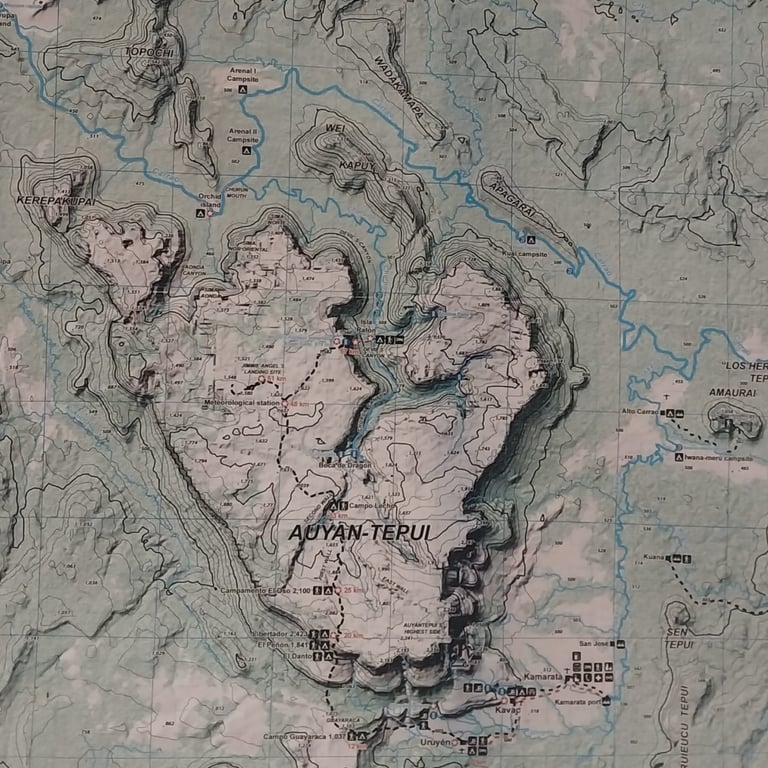
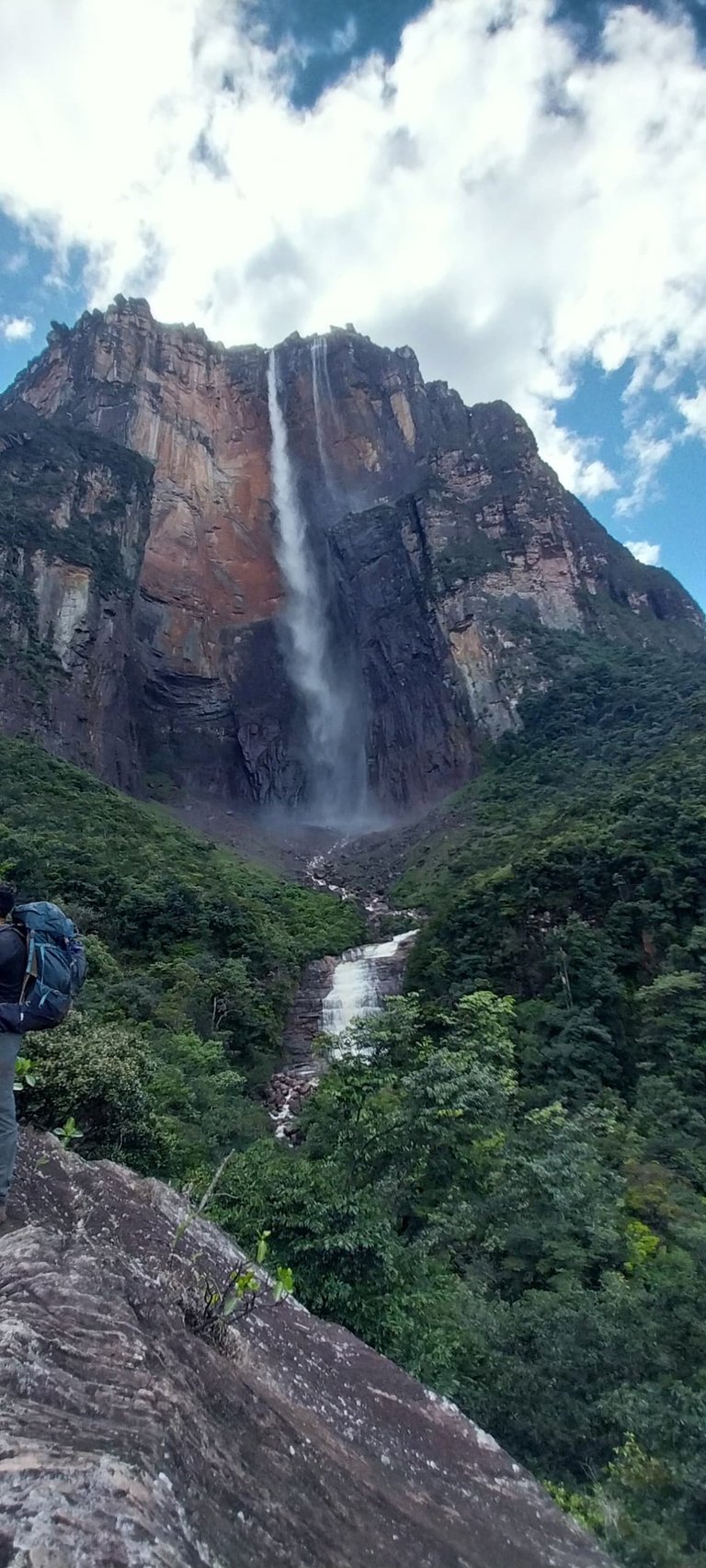
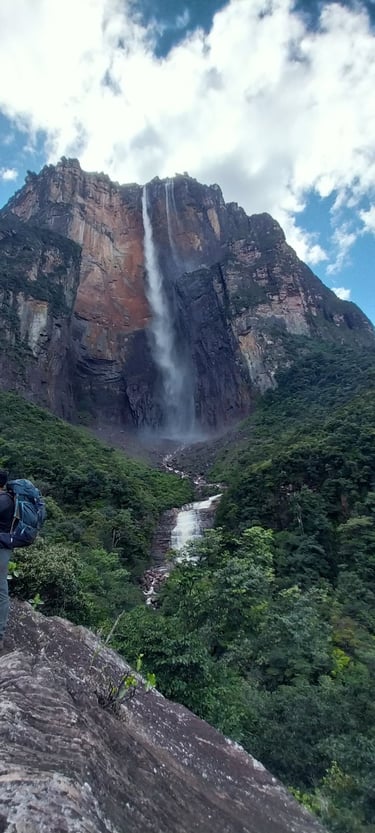
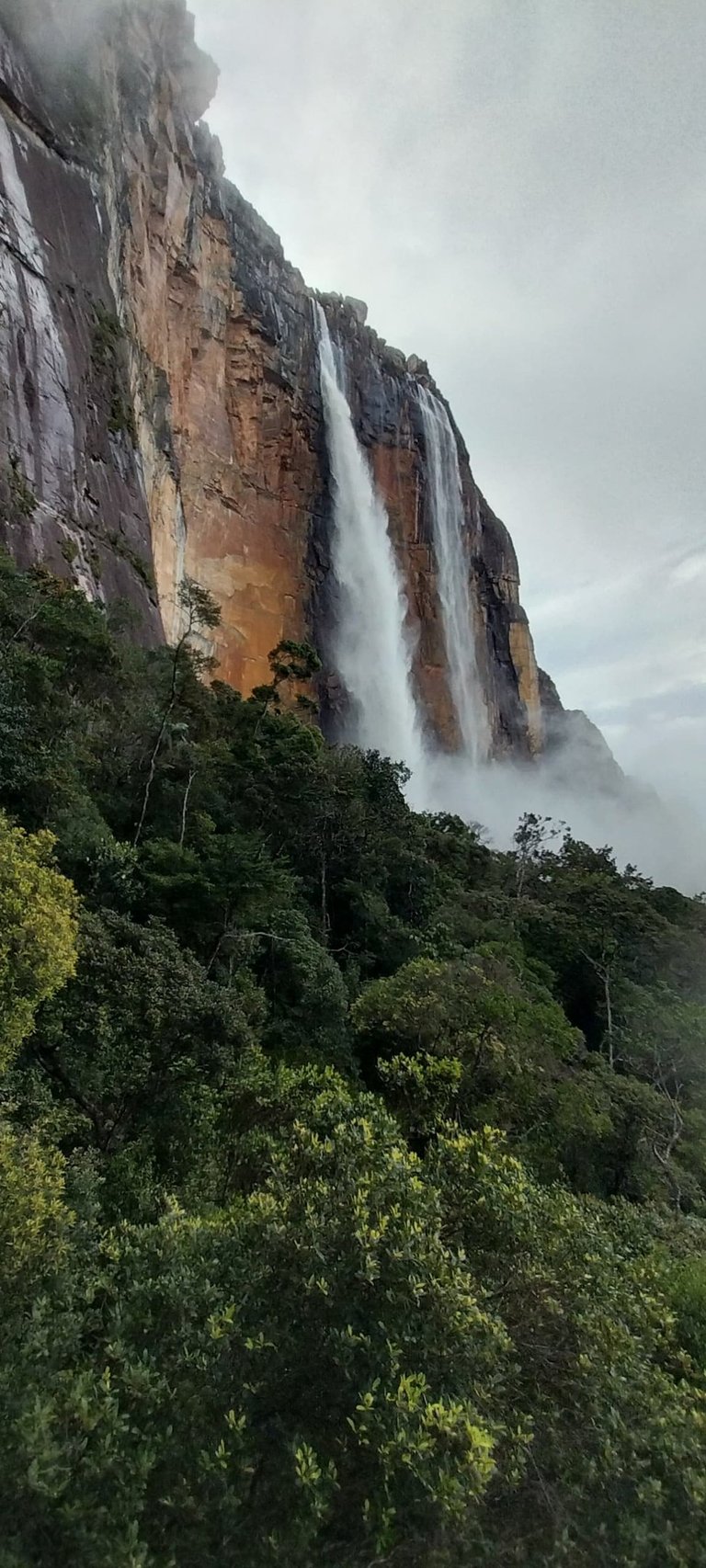
From its summit plunges Angel Falls, the world's tallest waterfall at 980 meters. The Pemon people call it Kerepakupai Vená, which means "river, pool, and waterfall," but it is better known to most as Angel Falls in recognition of Jimmie Angel, the pilot and explorer who first introduced it to the world in 1933.
The Tepuis are fortresses with vertical, inaccessible walls, surrounded by jungles and ecosystems frozen in time that inspired Arthur Conan Doyle's The Lost World, Disney's Up, and many other blockbuster productions.
Auyantepui, the most colossal of them all, crowns the sky at 2,535 meters high with a summit surface area of 705 km². To give you an idea, its clifftop surface is comparable to islands like Menorca or Margarita. Up there, the landscape transforms into an unexplored “micro-planet” of valleys, mountains, rock formations, rivers, and pools of reddish water rich in minerals.
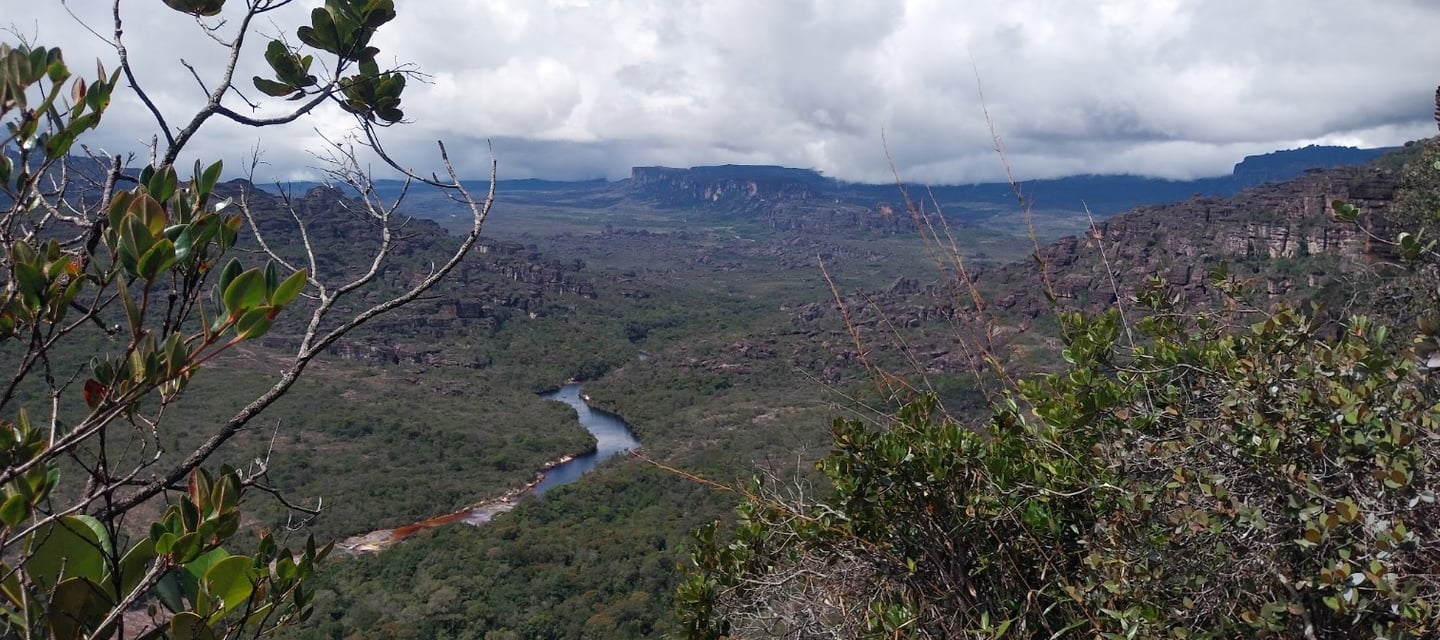
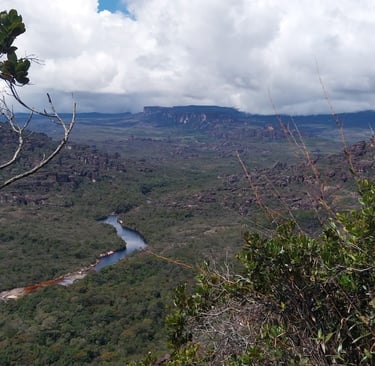


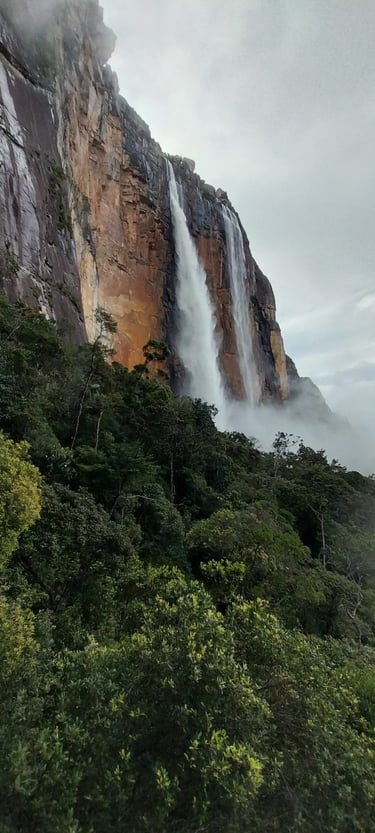
We started hiking from Uruyen across the savanna toward the base of Auyentepui, about 12 kilometers away, and from there up to the tepui's first "terrace."
Photographs by photographer Mercedes Vega. (IG: @mercedesvegaphoto)
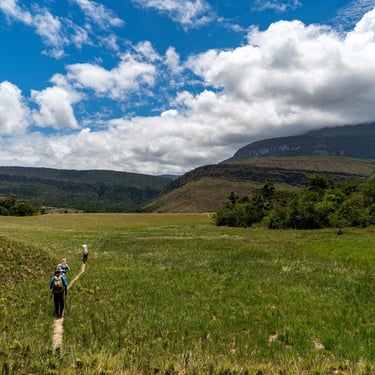
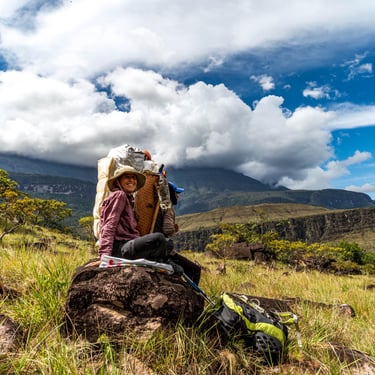
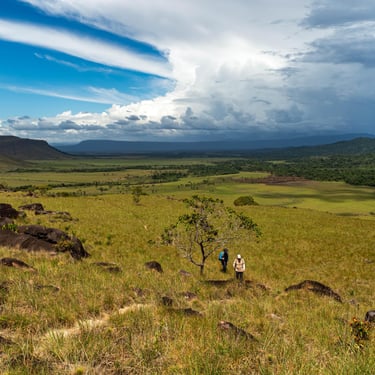
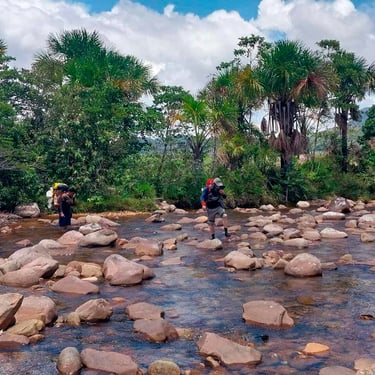
Our journey began in the Pemon community of Uruyén. The Pemon are the native inhabitants of the Gran Sabana and the lands of Canaima National Park. Like all indigenous peoples of northern South America, they belong to the Carib ethnic group and are the guardians of these mountains, valleys, jungles, and rivers.
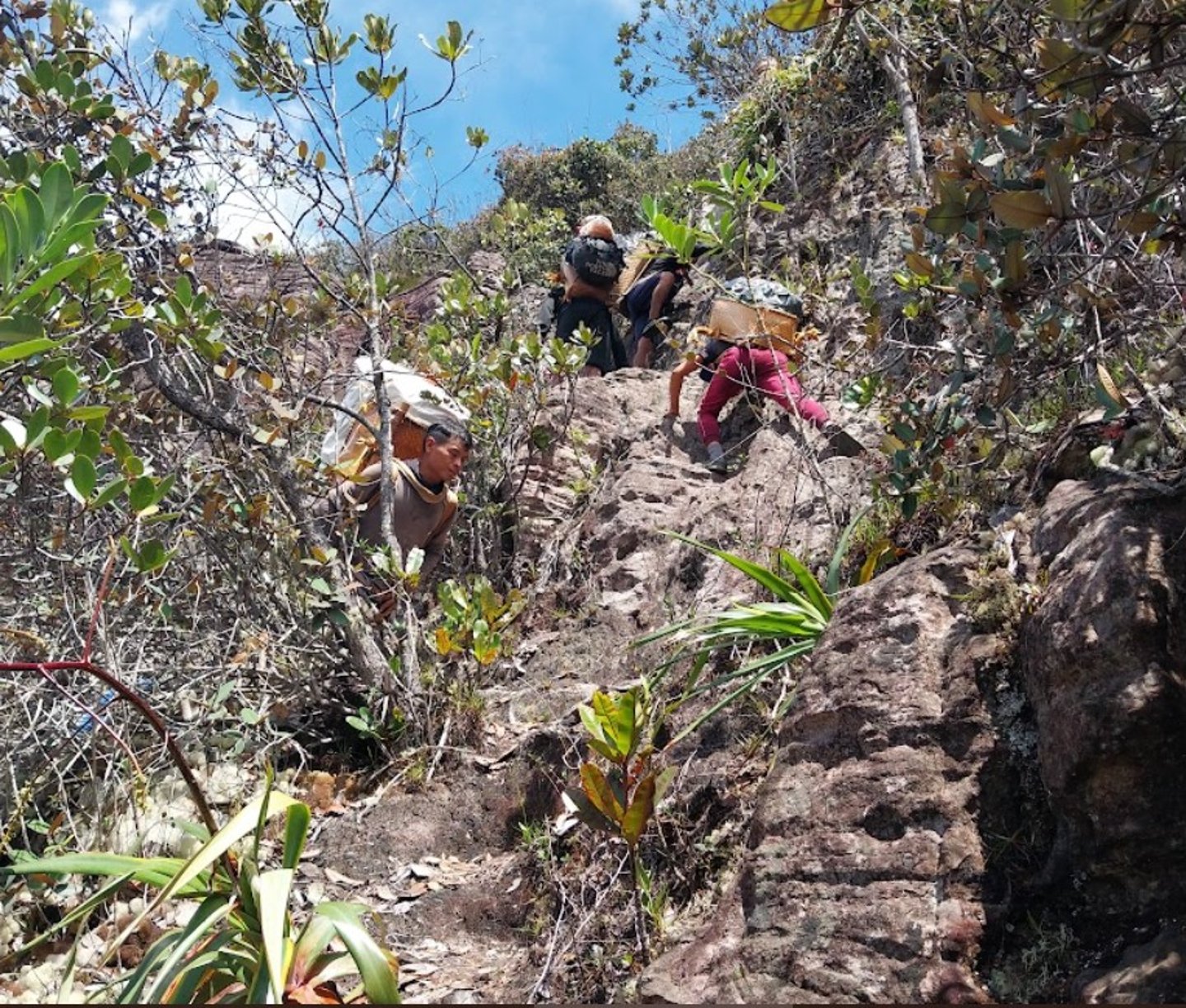
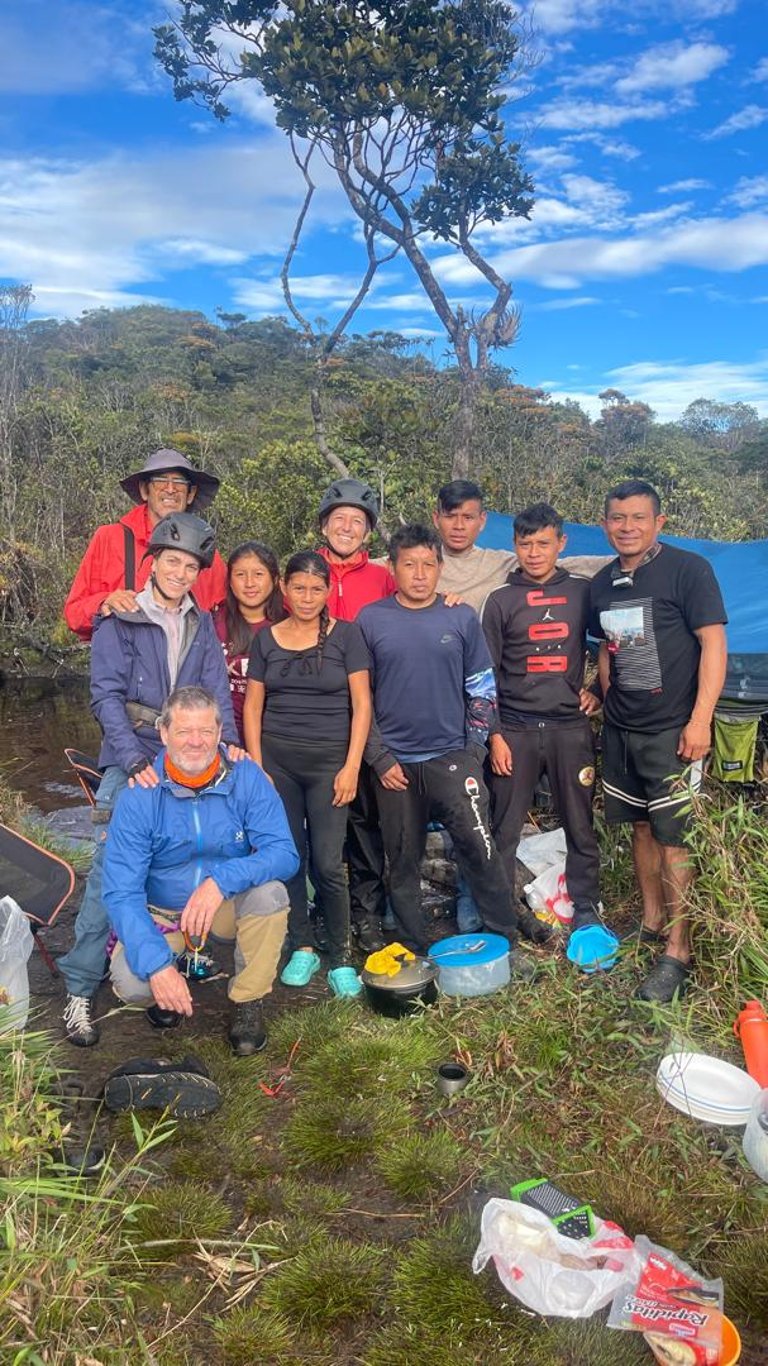
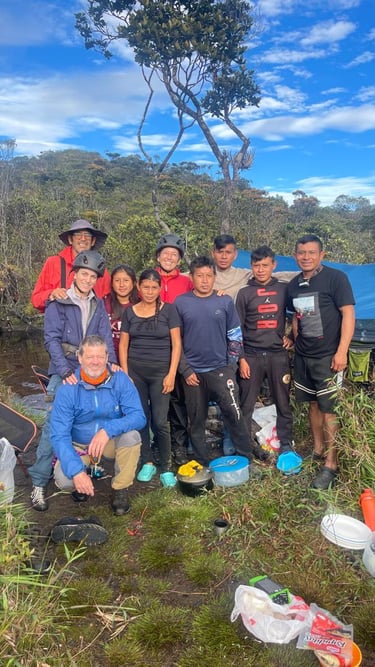
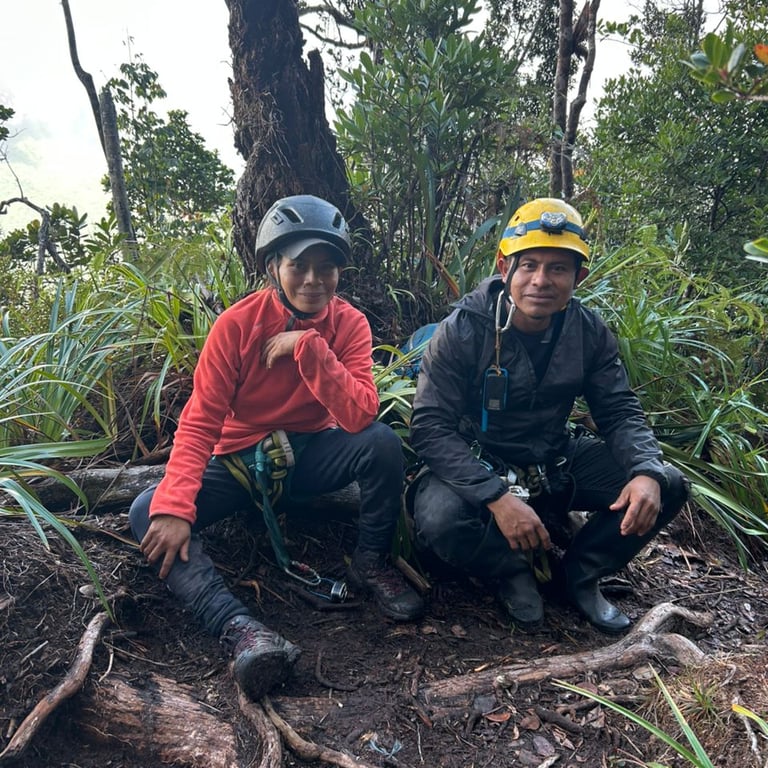
The Pemones are the expedition’s guides and porters; it’s important to remember that carrying supplies, tents, and equipment like rappelling ropes requires a lot of organization and manpower.
So, in addition to carrying our own backpacks [about 15 kg], the group of porters carries approximately 30 kg each, but they do so in their “guayares” made of natural fibers. Watching them climb and walk along walls and rocks with such agility while carrying that weight is impressive and makes you realize how comfortable these people are in their environment and territory.
Without their help, these expeditions would be practically impossible.
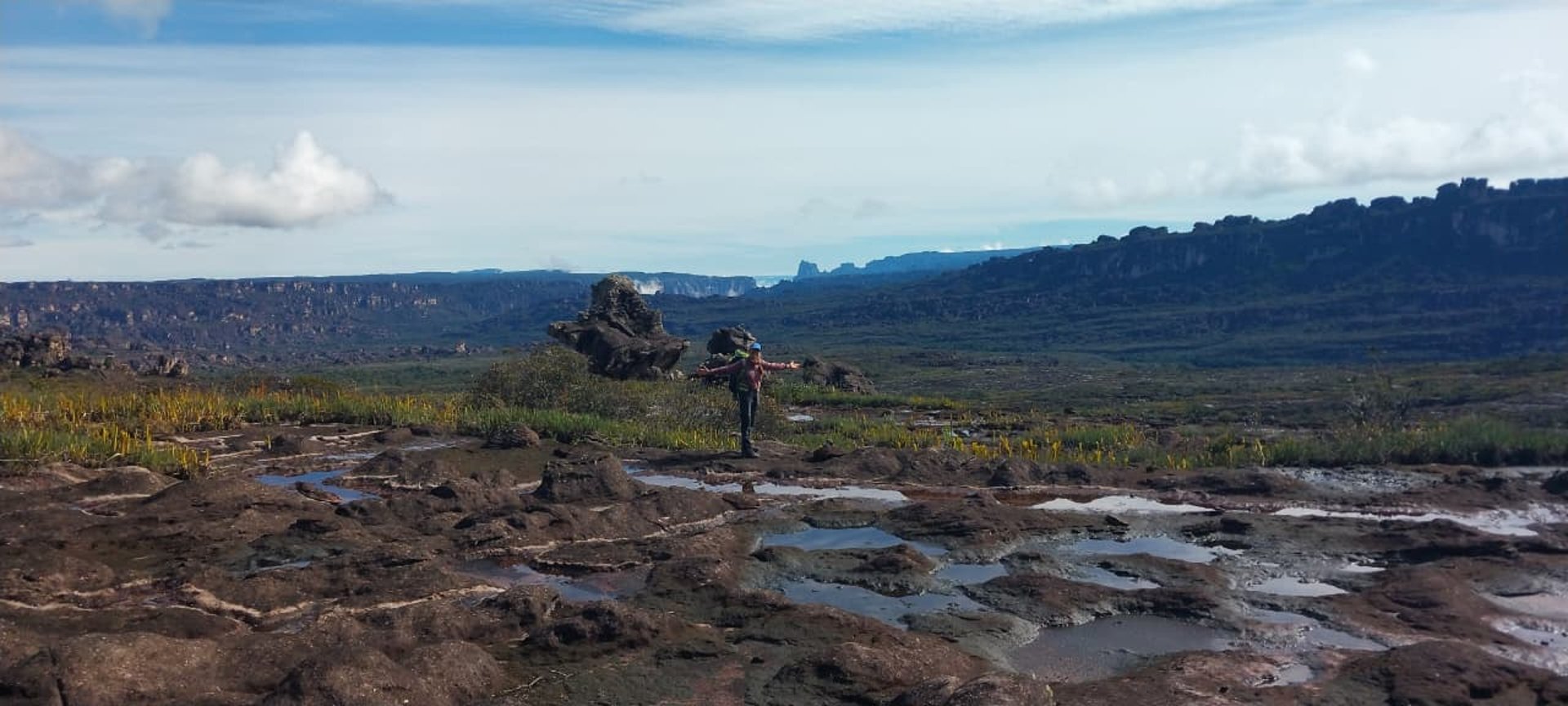
Over the following days, we kept hiking, advancing and ascending to the third terrace—its highest part, at about 2,500 meters above sea level—delving deeper and deeper into the plateau of this fabulous tepuyero universe.
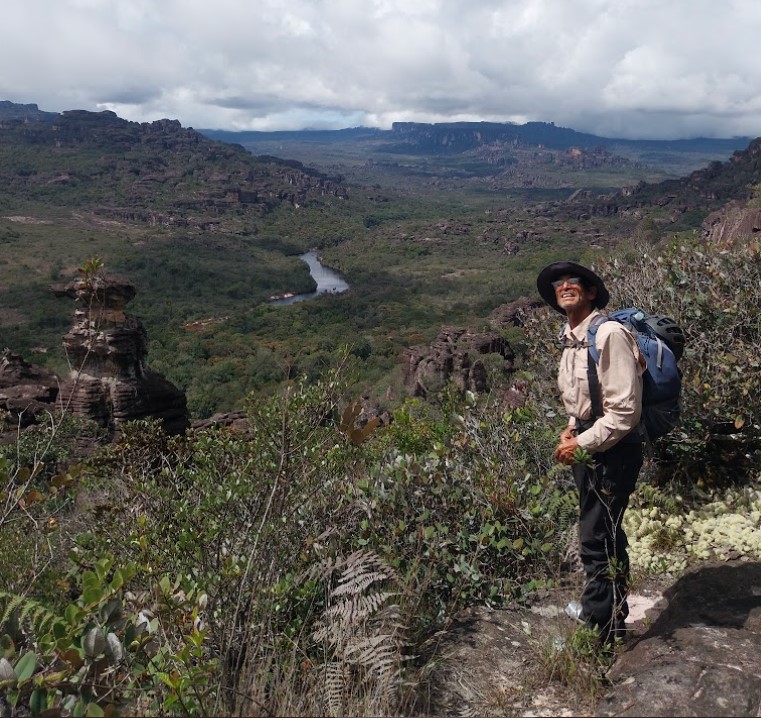
Seven days and seven nights climbing stone walls, navigating crevices and boulders, crossing rushing rivers, sinking up to our waists in mud, and trekking through a rainforest that only exists in this specific place. A demanding yet beautiful, almost dreamlike tepui vegetation where one moves forward with great effort and deep gratitude to the tepui for allowing us to do so. We must not forget that the Tepuis are considered sacred territories, full of spirits, and deeply respected by their ancient inhabitants.
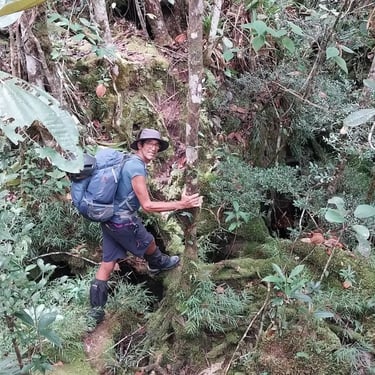
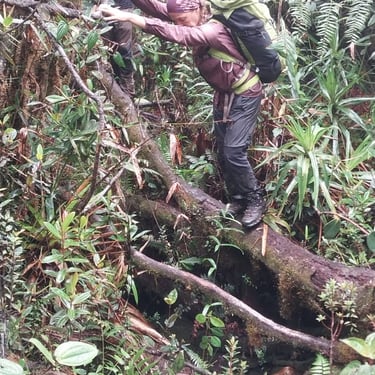
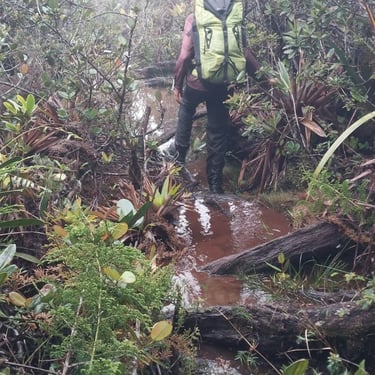
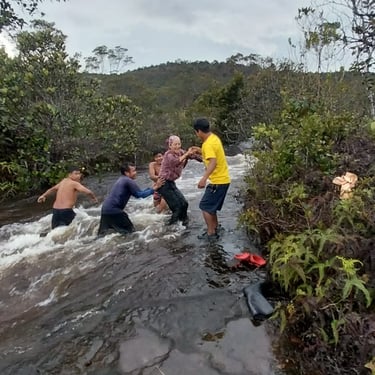
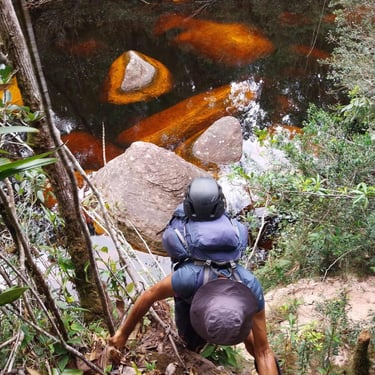
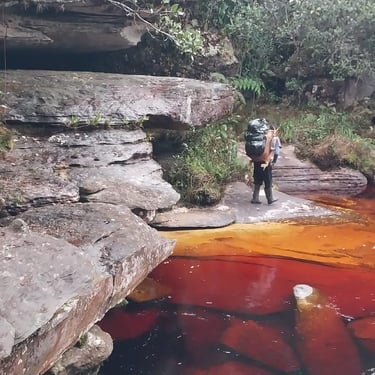
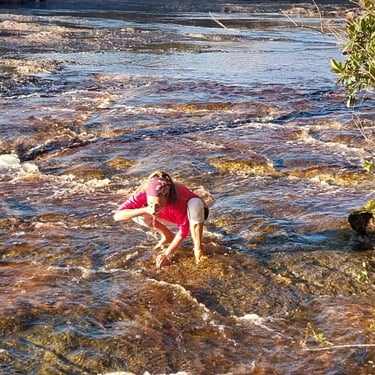
As you advance and ascend, the landscape takes on its true dimension. It is so vast that it’s hard to wrap your head around the fact that on top of the tepui there are peaks, valleys, forests, caves, rivers, waterfalls, and reddish pools rich in minerals—an entire world of new and wondrous scenery. You look out at the horizon, and everything within sight is "Tepui territory"... an unexplored "microplanet" on our own planet, a world upon another world — magical, unique, and colossal!
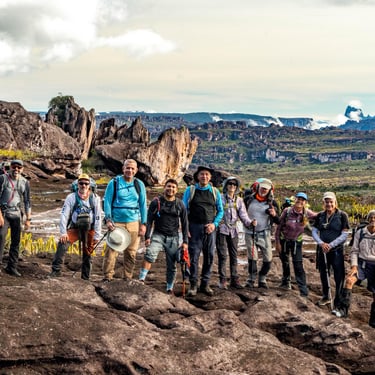
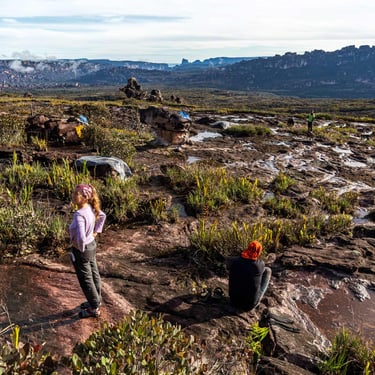
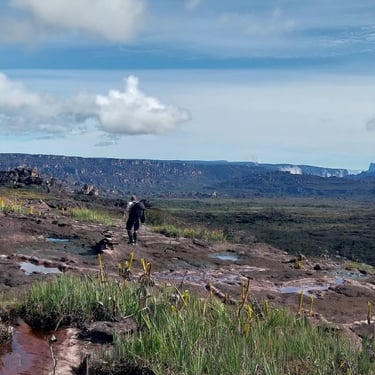
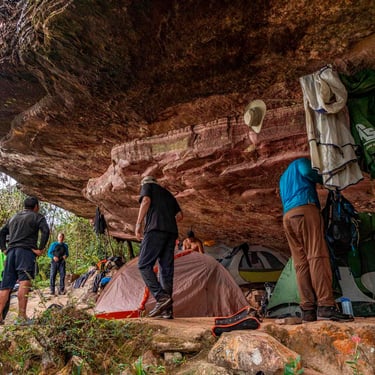
Photographs by photographer Mercedes Vega. (IG: @mercedesvegaphoto)
Seven days of walking with full mindfulness amidst unique vegetation and landscapes that look straight out of the movie Avatar, discovering and trying to capture—both in our retinas and on our cameras—the beauty of a flora that only exists up there, unique species that the tepui hides like a treasure.
Then we reached the Churun River canyon camp for our last night on top of the tepui, listening to the force of the water rushing between the carved walls that form the canyon from which Angel Falls plunges. Simply breathless...

The next day, very early, we began walking in silence and with high emotion toward the ledge where our descent from the clouds would begin via rappelling—900 meters of free fall, hanging over the immensity of the landscape with Angel Falls as our witness.

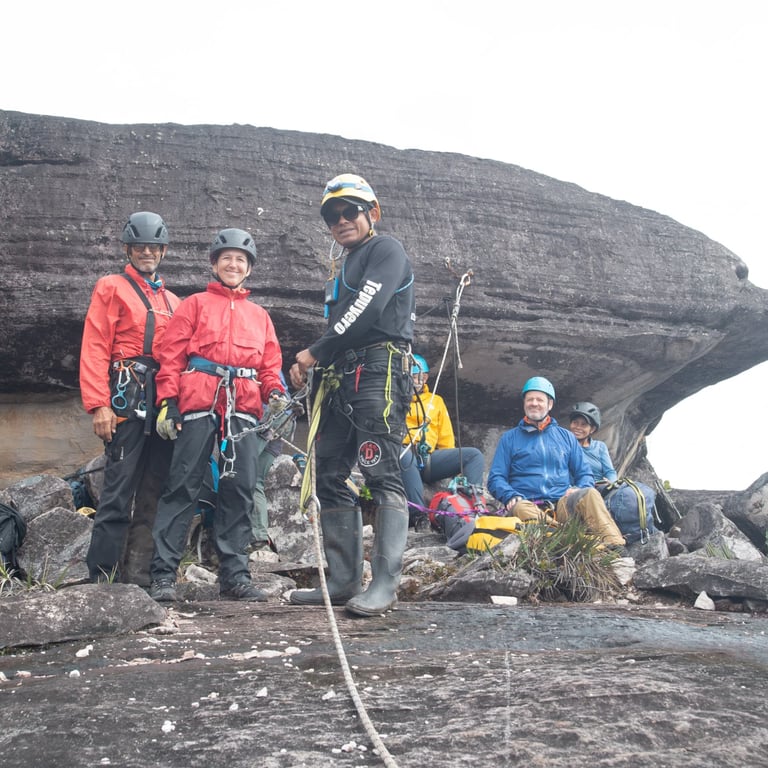
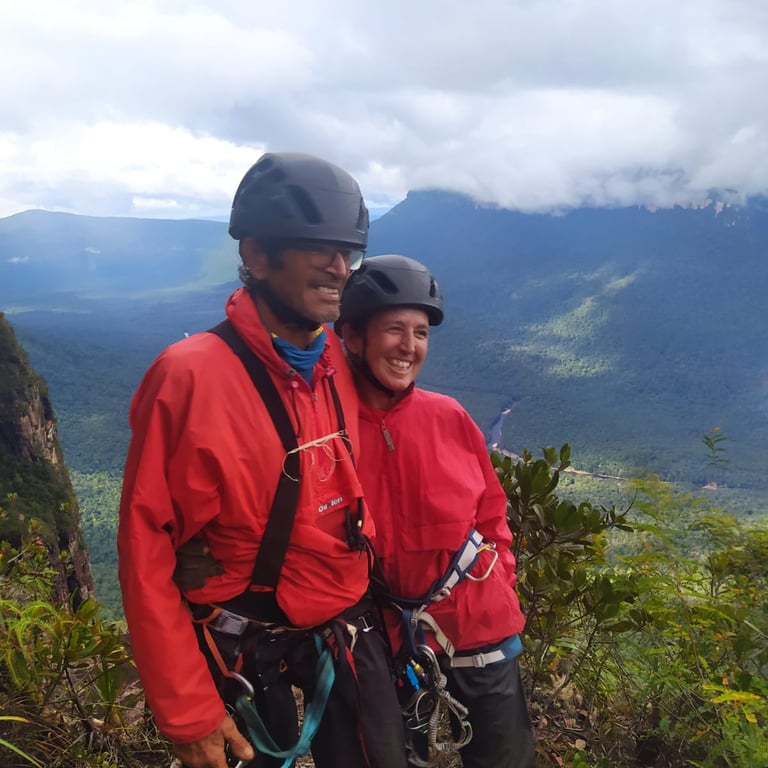
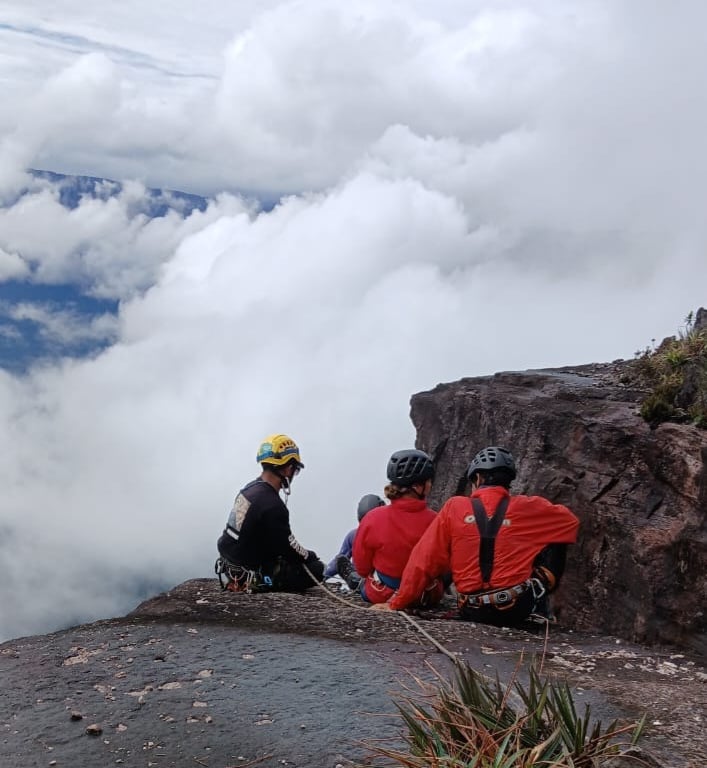
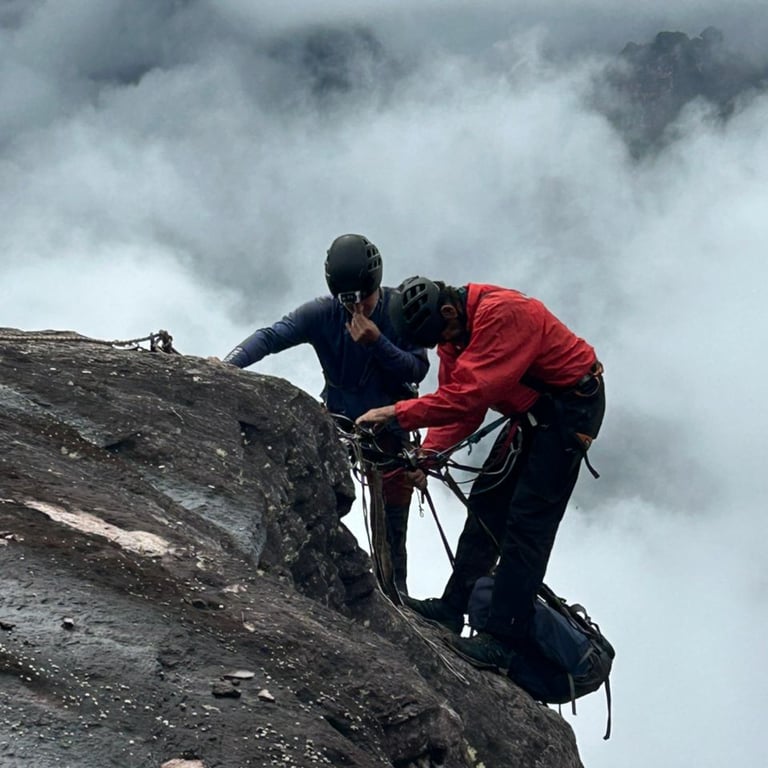
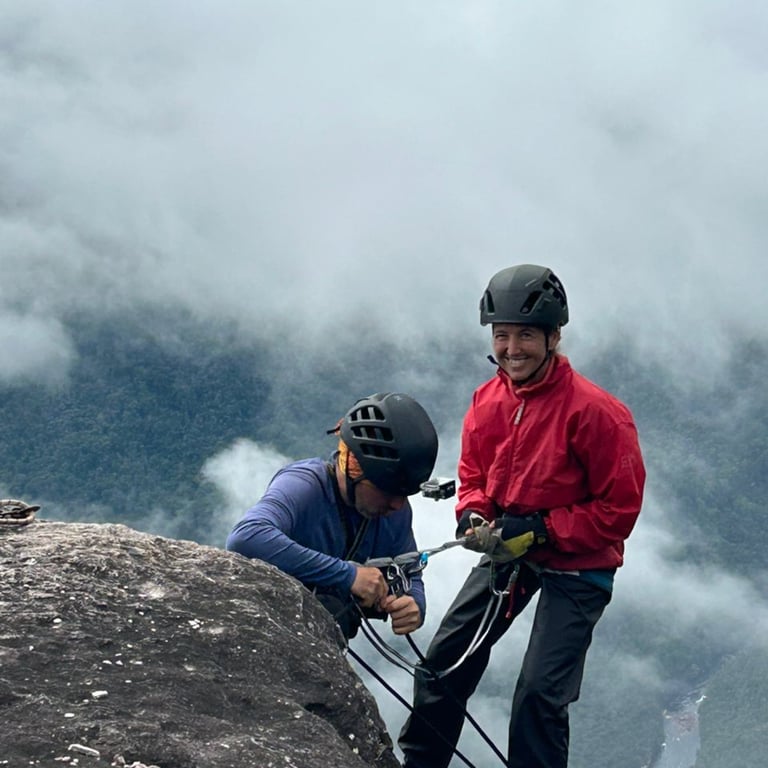
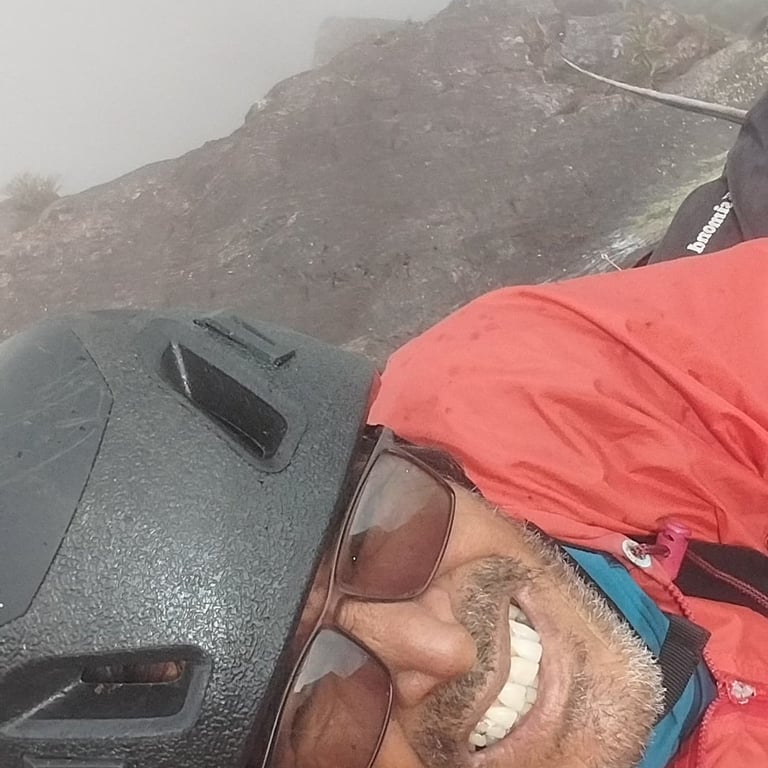
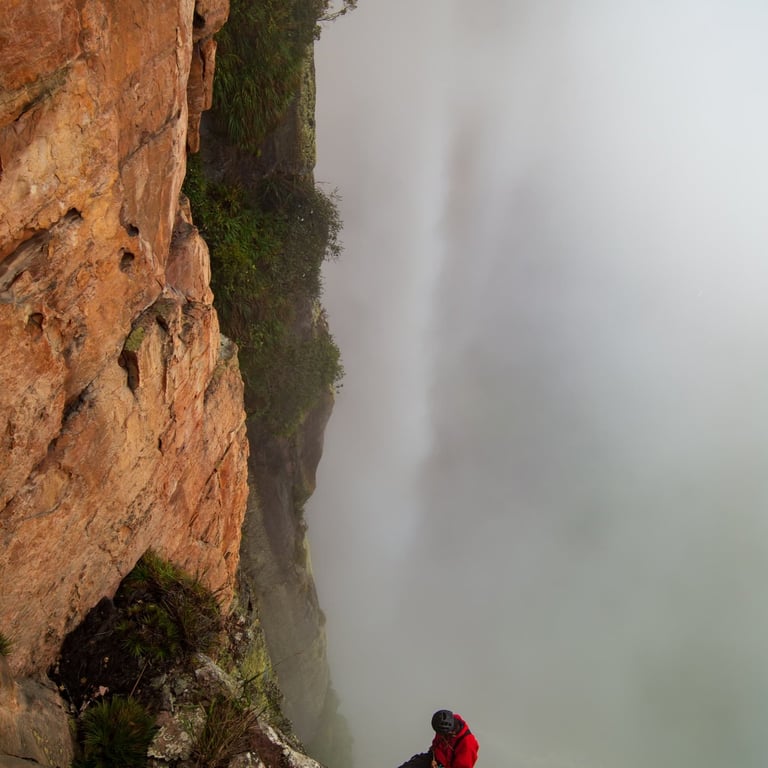
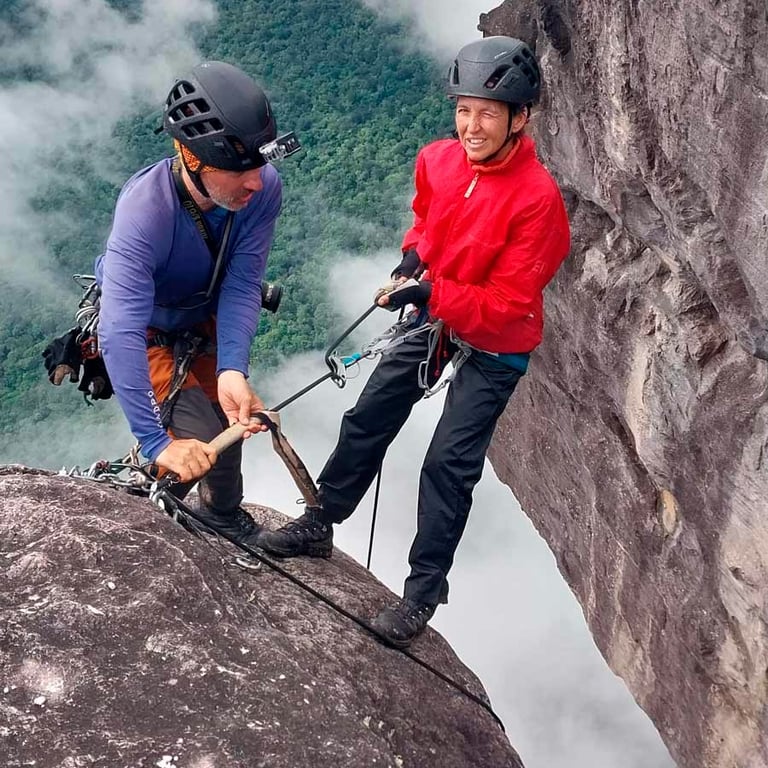
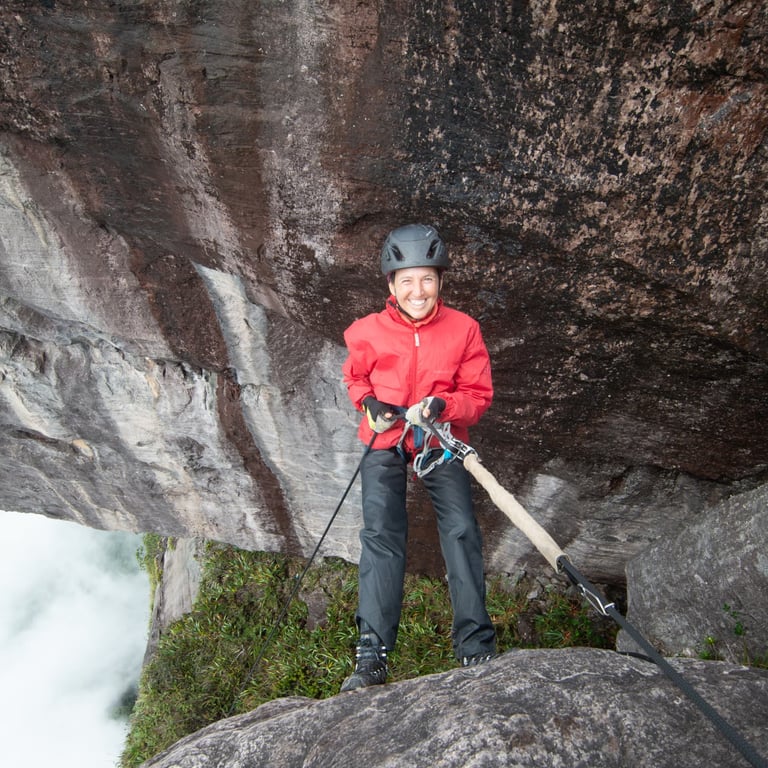
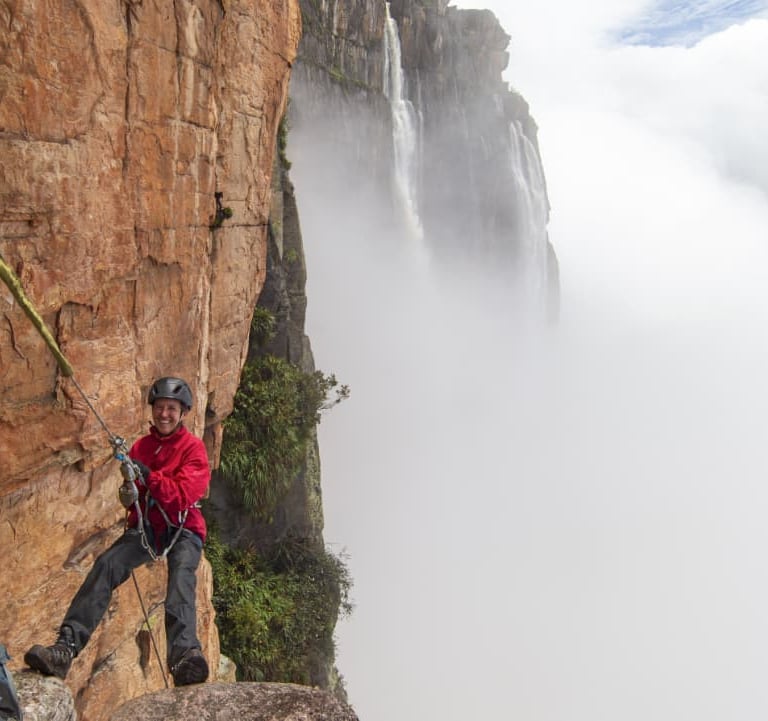
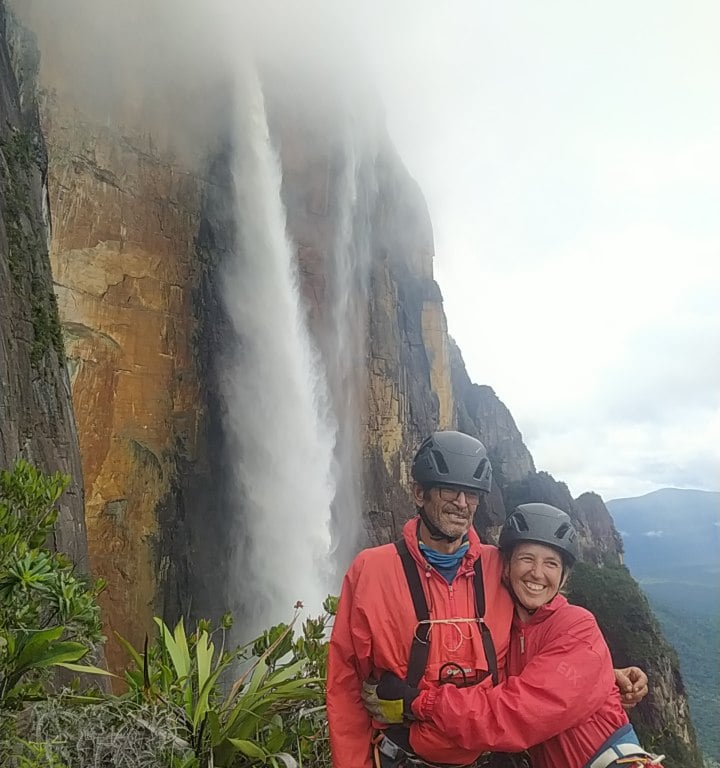
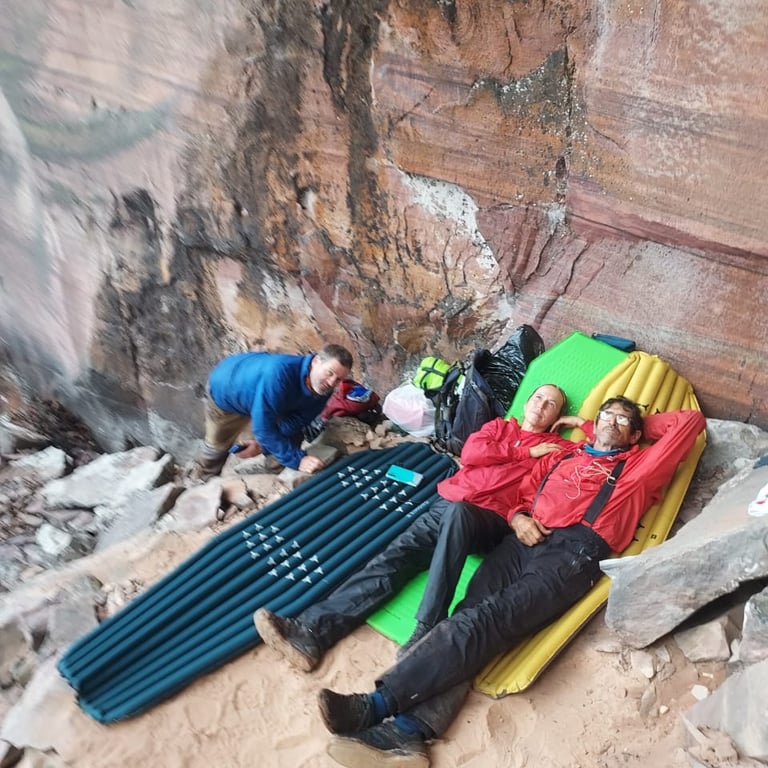
Photos by Mario Osorio @_mario.osorio and Hernando Arnal.

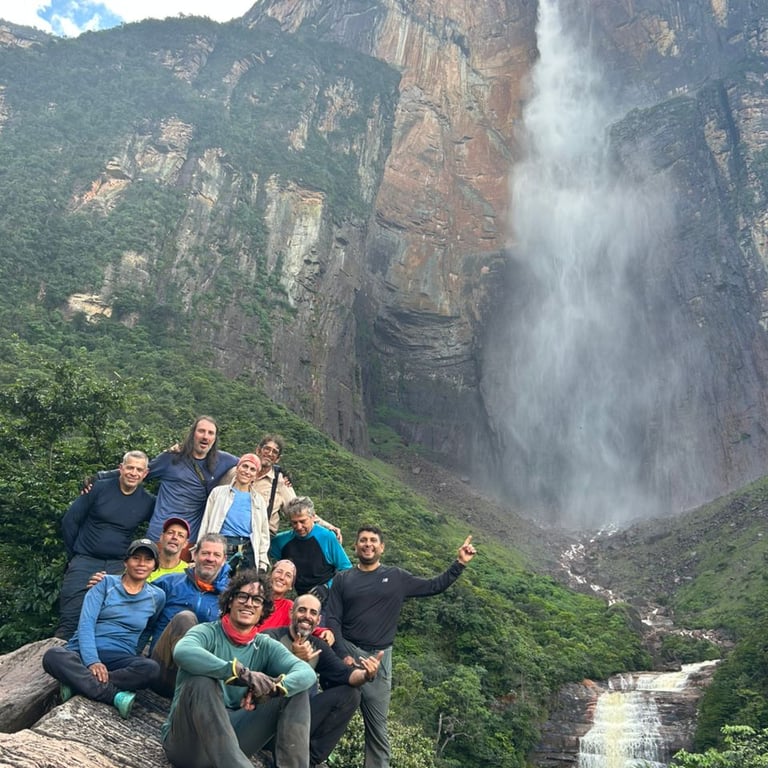
Two more days of descending brought us to the base of Angel Falls, completely happy and ecstatic after an epic, unmatched experience.
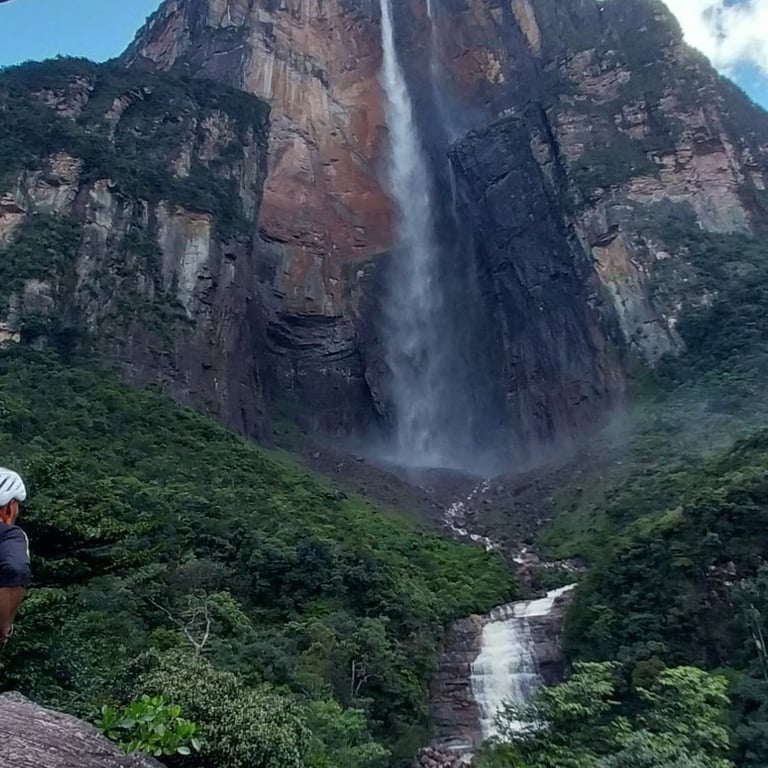
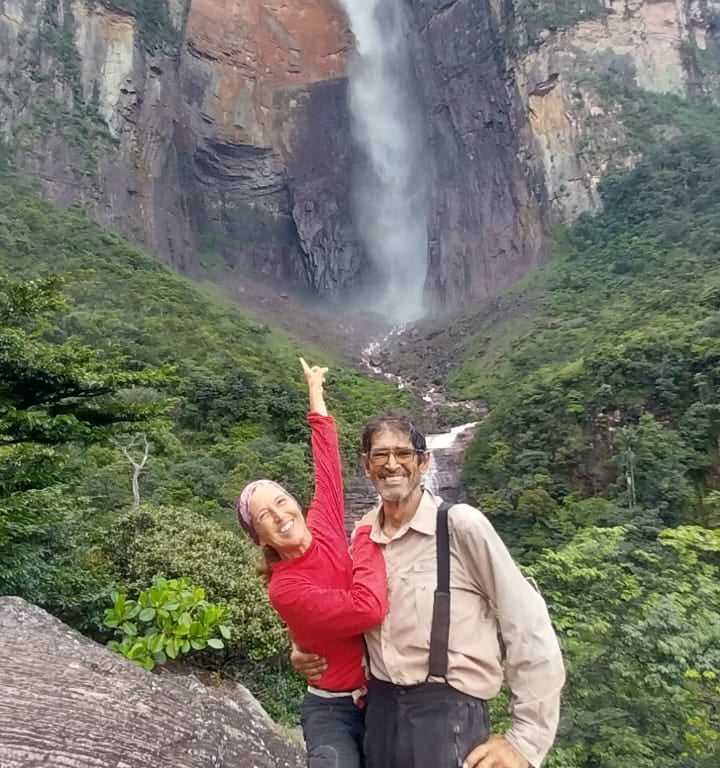
Once at the bottom, as the crowning touch, we navigated the Churun River—which later merges into the Carrao River—in curiaras until we reached Canaima. Curiaras are boats carved out of a single tree trunk, and some can measure up to 30 meters long.
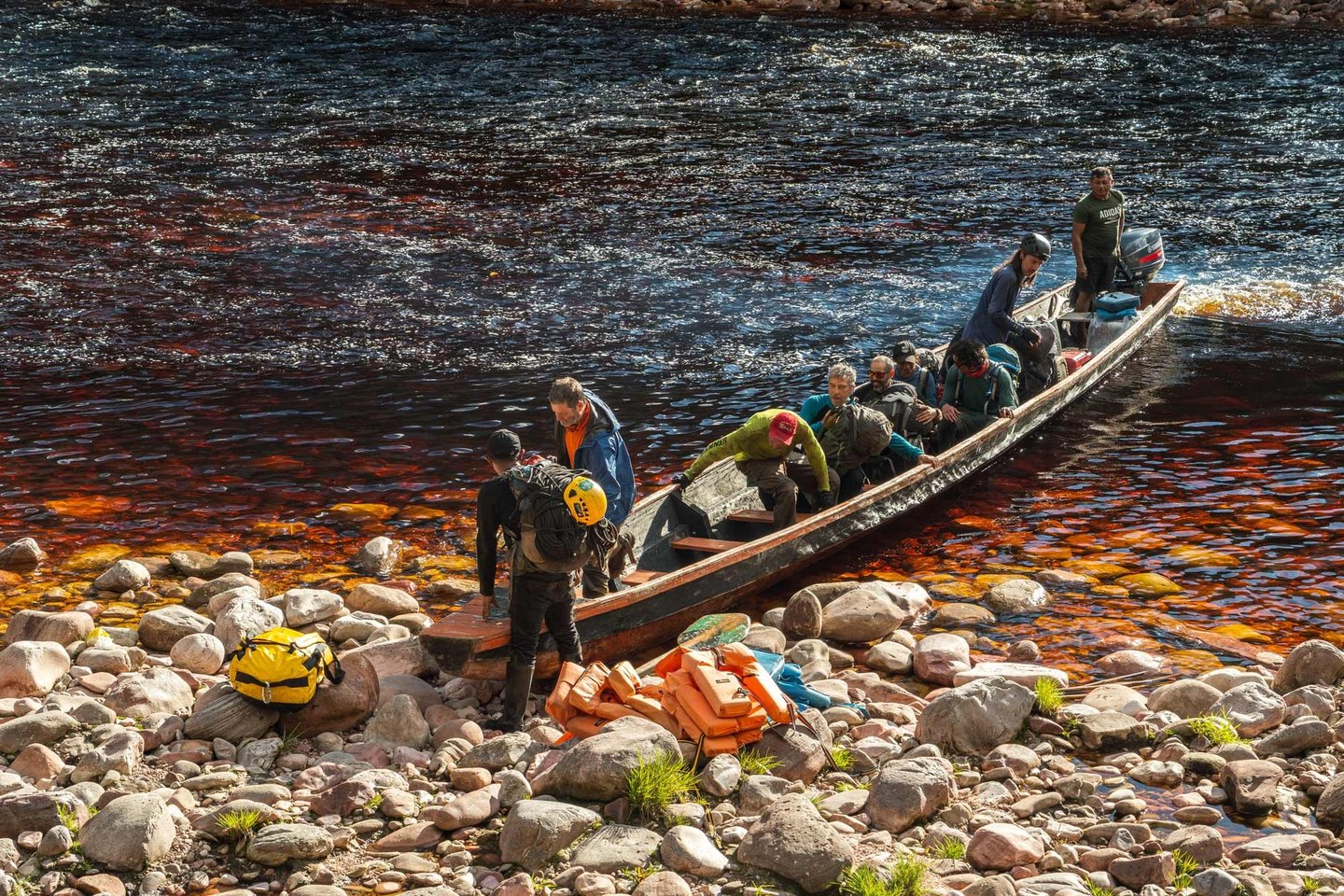


This descent through the river rapids took several hours, surrounded by the walls of these castles called tepuis, until we reached a point where it was impossible to go any further due to the massive waterfalls that drop into the Canaima Lagoon.
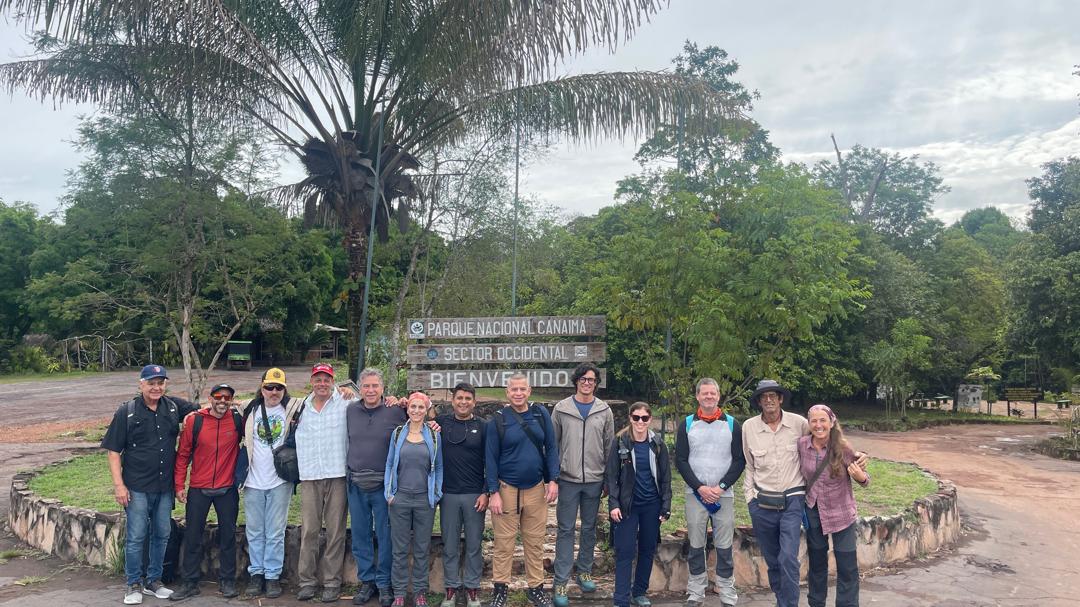
All the logistics were made possible thanks to our friend, photographer, and fellow "tepuyero" Henry González (@eltepuyero) and the team at @exploratreks, Mario Osorio y Andrés "Palmera",alongside the vital support of the Pemon people led by the extraordinary, Antonio Nicolás (IG: @pemon_machine) and the wonderful group of brave, intrepid adventurers who set out to climb, cross, and descend Auyantepui.

AUYANTEPUI EXPEDITION
An expedition by the Tintamare crew. 10 days traversing Auyantepui, one of the wildest and oldest places on Earth. Jungle, rappelling, hanging caves, and a descent alongside Angel Falls on an unforgettable expedition through the heart of Canaima. ⛰️🌿
SUBSCRIBE
Subscribe to be updated about latest news and blog posts and to follow what is happening in a magical land of Bali.